Skip to content
Table of Contents
Unwanted facial hair can affect skin texture, confidence, and even how makeup sits on the complexion. Many people start with quick fixes that deliver temporary results, only to become frustrated by the constant regrowth that follows.
Modern aesthetic care offers a wide range of solutions for managing facial hair, and choosing the right one requires understanding how each method works, how long the results last, and how it affects skin health.
This guide explores the full spectrum of techniques available today and gives special attention to the growing popularity of laser technology for long-term reduction. The goal is to take the guesswork out of Facial Hair Removal and allow readers to make decisions based on clarity, safety, and realistic expectations.
Why Facial Hair Appears and What to Consider Before Choosing a Method
Facial hair develops for several reasons. Genetics, hormonal fluctuations, and medical conditions influence how thick or visible hair becomes.
Some patients produce fine vellus hair, while others experience coarse or darker strands along the chin, upper lip, or jawline. Before selecting a treatment, skin type, hair color, level of sensitivity, and expected maintenance should all be considered.
Those with delicate skin may react strongly to certain techniques. Others may prioritize speed over longevity. It helps to identify goals first. A person seeking long-lasting smoothness requires a different strategy from someone looking for fast touch-ups before an event.
The world of safe facial hair removal methods ranges from at-home shaving to medical-grade laser procedures. Each option has strengths, limitations, and ideal candidates. Understanding these helps prevent irritation, ingrown hairs, and unnecessary expenses.
Shaving: A Convenient Option for Peach Fuzz
Shaving remains one of the most accessible choices for facial hair removal. Facial razors designed specifically for delicate skin glide easily and trim hair at the surface. The process is painless, requires no downtime, and instantly reveals a smoother face. Makeup tends to apply better afterward, creating a clean canvas.
Shaving does not affect the hair follicle. Thus, patients can expect that growth returns within a few days. Some notice a mild prickly feeling during regrowth, especially if they removed slightly thicker hairs.
Skin preparation becomes essential in this procedure. This is because shaving without lubrication can cause microabrasions. A calming product applied afterward helps maintain comfort.
Shaving works best for those who want a fast, cost-effective approach that can be performed frequently without hassle. Anyone dealing with coarse or dark hair will likely need a longer-lasting alternative.
Tweezing: Precision for Stray Hairs
Tweezing offers precision and control. It suits small areas, including eyebrows and isolated hairs on the chin or upper lip.
The method pulls hair from the root, so results last longer than shaving. Tweezers allow targeted removal. With that, they become ideal for maintaining brow shape or removing a few noticeable strands between treatments.
The challenge with tweezing is that it becomes time-consuming for larger areas. Over-plucking can irritate hair follicles and potentially trigger ingrown hairs. Patients with sensitive skin sometimes experience redness. The latter may take a few hours to settle. Tweezing remains most useful as a maintenance tool rather than a full-face grooming method.
Waxing: Longer-Lasting Smoothness
Waxing heats a soft or hard wax product. This will adhere to hair and remove it from the follicle once pulled away. Results last between two and four weeks. The smooth finish makes waxing a go-to option for the upper lip, chin, and cheek areas.
Waxing removes multiple hairs at once, which saves time compared to tweezing. The skin often feels fresh and clean afterward. However, waxing can be uncomfortable, especially for first-timers or those with low pain tolerance.
The pulling sensation sometimes leaves temporary redness. Individuals using retinoids or exfoliating acids must avoid waxing. The reason behind this is that the skin barrier becomes more fragile and easier to lift.
Waxing works well for those who want weeks of smoothness and don’t mind a brief sting. People with reactive skin or acne-prone complexions may find gentler methods more suitable.
Threading: Gentle and Chemical-Free Removal
Threading originated centuries ago and remains one of the most precise forms of professional facial hair removal. A skilled provider uses a twisted cotton thread to catch hair and lift it from the follicle. The technique avoids chemicals, making it suitable for those who prefer a natural approach.
This hair removal treatment excels at shaping eyebrows and removing hair from the upper lip and sides of the face. The method tends to be gentler than waxing because it avoids applying heat or adhesives. Sensitivity varies from person to person, yet the majority tolerate threading well.
Threading does not exfoliate the skin, which reduces the risk of irritation. The skill of the practitioner plays a major role in comfort and accuracy. Results generally last two to four weeks.
Depilatory Creams: Chemical Dissolution of Hair
Depilatory creams use active ingredients that dissolve hair at the skin’s surface. Once the cream breaks down the proteins within the hair shaft, the hair can be wiped away. This treatment leads to fast results without the pulling sensation of waxing.
These creams must be used carefully. Sensitive skin can react strongly to the ingredients. A patch test is always recommended. Depilatories work best on fine hair. Coarse hair may not dissolve uniformly. Results last a bit longer than shaving but not as long as waxing.
Those prone to breakouts or irritation should approach depilatories cautiously. These creams provide convenience but require attention to instructions and timing.
Dermaplaning: Exfoliation Paired with Hair Removal
Dermaplaning removes vellus hair and dead skin cells using a sterile blade. This treatment becomes safe and successful in the hands of a trained professional.
The goal is to refine texture, brighten the complexion, and create exceptionally smooth skin. Many enjoy the way makeup glides on after a dermaplaning session.
This treatment offers immediate results without pain. It suits individuals who want subtle hair removal paired with mild exfoliation. Dermaplaning does not target the hair follicle. As such, growth returns gradually. The benefits go beyond hair removal and include improved product absorption and a more radiant look overall.
Sugaring: A Natural Alternative to Waxing
Sugaring uses a sticky paste made of sugar, lemon, and water. The paste adheres to hair and is flicked off quickly. Many consider it gentler than waxing because the paste does not stick as strongly to the skin. Like waxing, sugaring removes hair from the root, offering longer-lasting results.
The method is suitable for patients with sensitive skin and want weeks of hair-free results. It requires practice and proper temperature control. Professional sugaring delivers the most comfortable results, especially for facial areas.
Electrolysis: Permanent Removal for All Hair Types
Electrolysis involves inserting a tiny probe into each follicle and delivering heat or chemical energy to destroy the growth center. This method is approved for permanent hair elimination. Unlike lasers, electrolysis works on all skin tones and hair colors.
The process requires multiple sessions because each follicle must be treated individually. It suits those who want a final solution for stubborn facial hairs or areas that do not respond to laser. Electrolysis can cause mild redness or swelling, but this fades quickly. Persistence pays off with long-term smoothness.
Laser Hair Removal for Face: The Leading Long-Term Solution
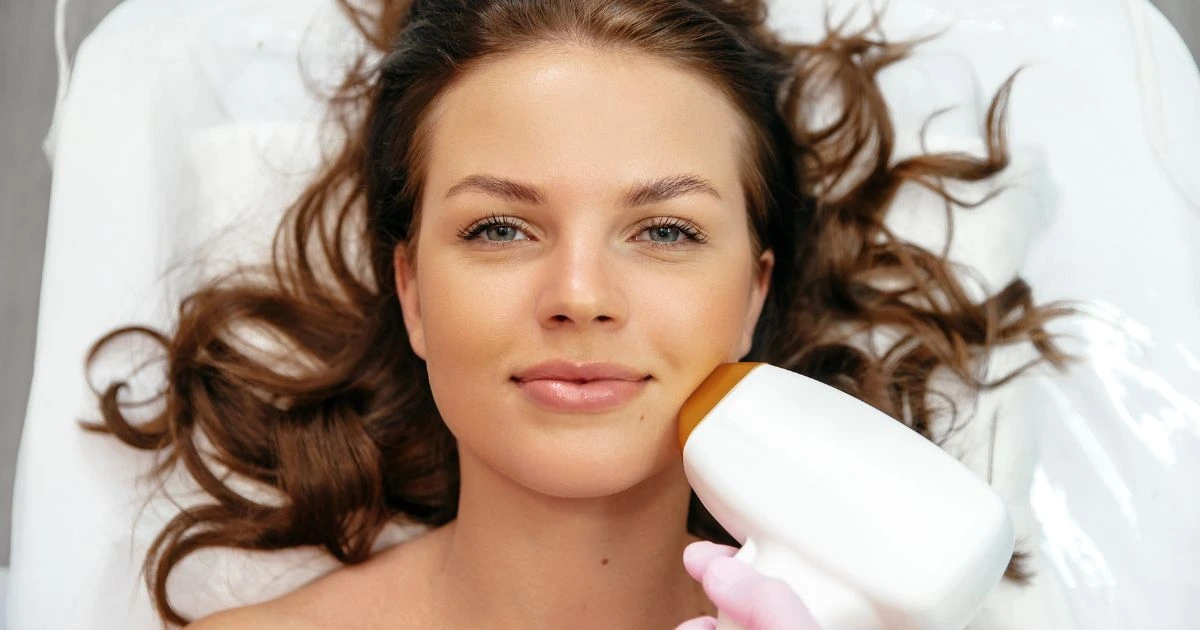
Modern aesthetics has made Laser hair removal for face one of the best facial hair removal treatments available today.
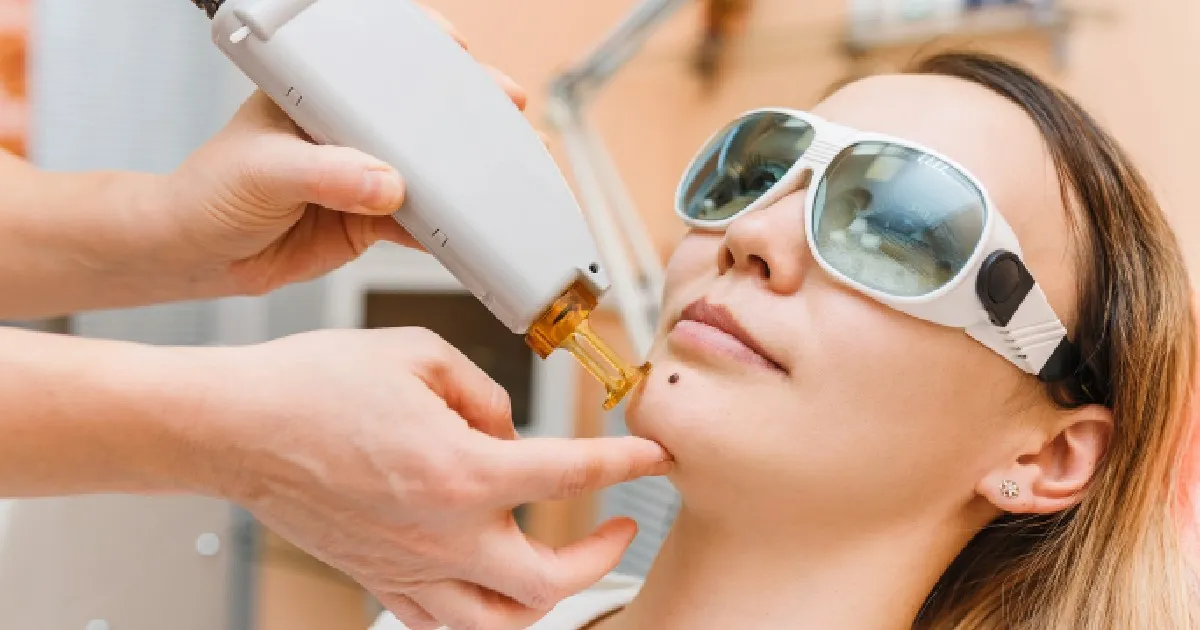
Advanced laser systems target pigment within the hair follicle. The energy converts to heat once absorbed. From there, it will disable the follicle, significantly reducing future growth.
Laser technology offers benefits that set it apart from other methods. Results last much longer than shaving, waxing, or threading. Many patients see reduced density and finer regrowth after only a few sessions. Laser also minimizes the risk of ingrown hairs because the follicle becomes less active over time.
Several aspects determine how effective laser treatments become. Darker, coarser hair responds most dramatically because the pigment absorbs energy efficiently. Newer devices accommodate a wider range of skin tones. However, very light or gray facial hair remains challenging for the laser to target.
Each session is fast and straightforward. The laser handpiece delivers pulses of energy while cooling mechanisms protect the skin. Mild redness sometimes appears afterward but usually fades within hours. Over time, hair grows back lighter and sparser. Many individuals eventually experience long-term reduction that feels close to permanent results.
Laser provides an ideal balance between effectiveness, convenience, and predictability. Anyone tired of repetitive grooming often gravitates toward a laser because it cuts down on daily or weekly maintenance. The more consistent the treatment schedule, the better the outcome.
Which Method Fits Different Skin and Hair Types
The ideal option depends on expectations, sensitivity, and desired maintenance.
Those who want a fast touch-up before an event might prefer shaving or dermaplaning. Anyone looking for a few weeks of smoothness can lean toward waxing or threading. Individuals who want precision often choose tweezing or threading for brows.
Laser and electrolysis represent the most advanced choices for long-term improvement. Laser stands out for its broad efficiency and ability to treat larger areas quickly. Electrolysis serves as the universal method for permanent removal across all hair colors.
Essentially, choosing between the two depends on the amount of hair, color, texture, and treatment goals.
Divine MedSpa: Expert Facial Hair Removal in Ormond Beach, FL
High-quality outcomes begin with skilled providers and well-chosen technology. Divine MedSpa offers specialized facial hair removal in Ormond Beach, FL, with a focus on long-lasting clarity and skin comfort.
Several of our clients often search for treatments that not only remove hair but also enhance the overall look of the skin. The Divine MedSpa team approaches this goal with precision and advanced equipment that targets the root of hair growth.
Our clinic provides personalized options for professional facial hair removal. We have permanent facial hair reduction systems that reach the follicle and disrupt regrowth. This action effectively minimizes the need for constant maintenance.
Divine MedSpa has become a trusted destination for safe facial hair removal methods that combine comfort, confidence, and noticeable results.
Reveal smoother, brighter skin with long-lasting results.
Frequently Asked Questions
How long do facial hair removal results typically last?
Results vary by method, ranging from a few days with shaving to long-term reduction with laser treatments.
Is facial hair removal safe for sensitive skin?
Most methods can be tailored for sensitive skin, although professional treatments reduce the risk of irritation.
Can I combine facial hair removal with other treatments?
Yes, facial hair removal can be safely paired with services like facials, chemical peels, dermaplaning, or hydrating treatments. However, it’s important that your provider approves the timing for safety.
What is the most effective method for long-term facial hair reduction?
Laser hair removal provides the longest-lasting reduction for most skin and hair types.
Does facial hair removal cause hair to grow back thicker?
No, hair does not grow back thicker or darker after removal because the follicle structure remains unchanged.