Skip to content


Noticing a few coarse hairs along your chin or upper lip can be surprising, especially when they seem to appear more frequently than before. Some women experience gradual changes over several years, while others notice a sudden increase in facial hair growth.
Although facial hair in women is normal, changes in thickness, texture, or growth patterns sometimes raise questions about what is happening beneath the skin.
Understanding the reasons behind these changes can help you determine when hair removal is enough and when further medical evaluation may be helpful.
Can Facial Hair Grow Back After Professional Hair Removal Treatments?
Facial hair can grow back after certain removal treatments. It will still depend on the method used and individual hair growth patterns. Laser hair removal targets pigment in hair follicles to provide long-term hair reduction. However, hormonal changes may stimulate new growth over time. Multiple sessions are typically needed to address hair during different growth stages, and occasional maintenance treatments may help manage recurring hair.
Why Does Facial Hair Become More Noticeable?
Facial hair grows from follicles that respond differently to genetics, age, and hormones. Most women have fine, lightly colored facial hair called vellus hair. Under certain conditions, some follicles begin producing thicker, darker strands known as terminal hair.
This transition could explain why previously unnoticeable hair becomes more visible.
The relationship between facial hair and hormones matters. Androgens, including testosterone, are present in women’s bodies and influence hair growth. Increased androgen activity or greater follicle sensitivity can encourage coarser hair to develop around the chin, upper lip, and jawline.
However, hormonal changes are not the only explanation. Family history, medications, and underlying health conditions may contribute.
Common Causes of Increased Facial Hair Growth
Several factors can explain unwanted facial hair in women, and the underlying reason is not always immediately apparent.
1. Hormonal Changes
Fluctuating androgen levels can influence the development of hormonal facial hair. These changes may become noticeable during puberty, pregnancy, or the transition into menopause.
Even when hormone levels remain within normal ranges, individual hair follicles may respond more strongly to androgen activity.
2. Polycystic Ovary Syndrome (PCOS)
PCOS is a common hormonal condition associated with increased androgen activity. It may contribute to excessive facial hair in women, particularly around the lower face.
Other possible symptoms include irregular menstrual cycles, persistent acne, and scalp hair thinning. A healthcare provider can assess these symptoms to determine whether testing is appropriate.
3. Genetics and Family History
Some women naturally develop more visible facial hair because of inherited characteristics.
If close female relatives experience similar growth patterns, genetics may help explain the change. Hair density and follicle sensitivity vary considerably between individuals, even without an underlying medical condition.
4. Aging and Menopause
Declining estrogen levels during menopause can change the relative influence of androgens.
As a result, chin hair in women may become coarser or more noticeable with age. Some women also develop additional strands along the jawline.
5. Menopause and Medical Conditions
Certain medications, including testosterone-containing treatments and some drugs that affect hair growth, can contribute to increased facial hair.
Less commonly, adrenal or ovarian disorders may influence androgen production. These possibilities deserve medical attention when growth develops rapidly or appears alongside other unusual symptoms.
When Should Increased Facial Hair Be Evaluated?
A few gradually developing hairs are not necessarily concerning. However, sudden changes deserve closer attention.
Consider consulting a healthcare provider if facial hair growth occurs alongside irregular periods, significant acne, scalp hair loss, or unexplained changes in weight.
Rapidly developing coarse facial hair, especially when accompanied by voice deepening, should receive prompt medical assessment.
A clinician may review your medical history, medications, symptoms, and hormone levels to investigate potential causes of facial hair growth.
Identifying an underlying condition is important because cosmetic hair removal does not correct hormonal imbalances.
What Are the Available Facial Hair Removal Options?
The appropriate method depends on hair color, thickness, skin sensitivity, and how frequently you want to maintain results.
Shaving and Dermaplaning
Shaving removes hair at the skin’s surface, while dermaplaning also exfoliates superficial dead skin cells. Both provide temporary results.
Contrary to a common misconception, shaving does not make facial hair grow back thicker.
Waxing and Threading
Many women rely on waxing or threading at home or at a salon because these methods remove hair from the root and typically last longer than shaving.
However, results are temporary, and repeated sessions may irritate sensitive skin, especially when exfoliating or prescription skincare products are part of your routine. For women looking to reduce how often they need these appointments, laser hair removal offers a longer-term alternative.
Laser Hair Removal
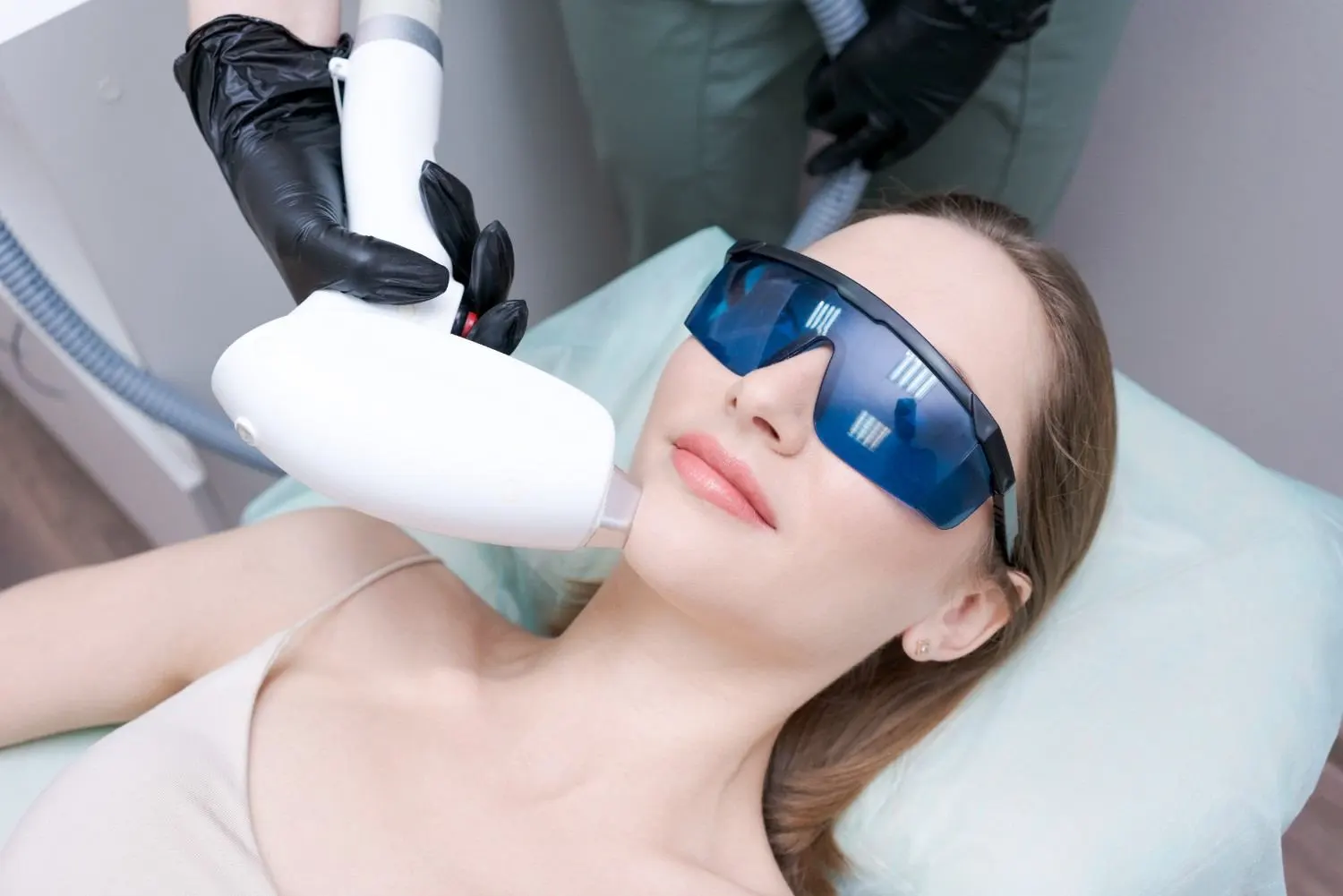
Laser treatments deliver concentrated light energy that targets pigment within hair follicles, reducing future growth.
This approach is commonly considered for darker, coarser strands, including upper lip hair in women. Multiple sessions are usually necessary because hair follicles cycle through different growth stages.
Hormonal influences can lead to new growth over time, making occasional maintenance treatments necessary.
Divine MedSpa: Facial Hair Removal in Ormond Beach, FL
At Divine MedSpa, we understand that managing visible facial hair can become frustrating when shaving, waxing, or tweezing feels like a constant routine.
Our facial hair removal in Ormond Beach, FL services focus on reducing unwanted hair through advanced hair removal technology.
We provide personalized treatment recommendations based on individual concerns, including hair thickness, treatment areas, and skin characteristics.
Our approach to facial hair removal focuses on achieving lasting hair reduction while helping patients understand realistic expectations. Results vary, and additional sessions may be necessary depending on individual growth patterns.
We welcome patients seeking treatment for specific facial areas or broader concerns about recurring hair growth.
Schedule a consultation with our team to discuss available options and determine an appropriate treatment approach.
Ready for Smoother, More Confident Skin? Discover personalized facial hair removal options at Divine MedSpa in Ormond Beach, FL. Book your consultation today.
Frequently Asked Questions
Is It Normal to Develop More Facial Hair as You Age?
Yes, hormonal changes associated with aging can make previously fine facial hairs grow thicker or become more noticeable.
Can Stress Cause Increased Facial Hair Growth?
Stress may indirectly influence hormonal activity, but persistent facial hair growth should not automatically be attributed to stress.
Does Plucking Chin Hair Make More Hair Grow?
No, plucking does not increase the number of hair follicles, although repeated removal can cause irritation or ingrown hairs.